Attic Insulation Basics

Common Causes of Roof Fires & How to Combat Them
December 14, 2020
Questions for a Potential Roofing Company
January 6, 2021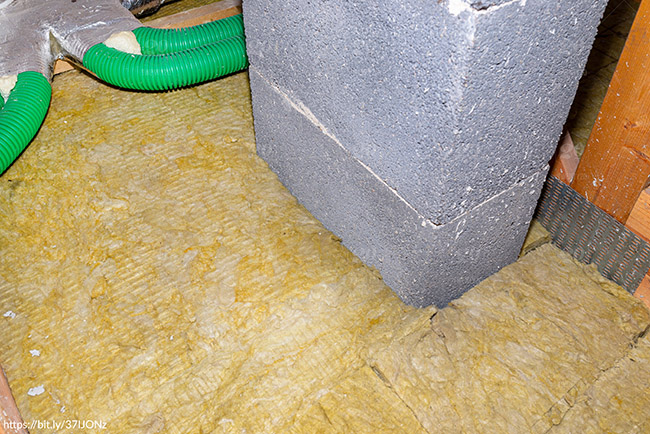
Homeowners are often too busy or distracted to notice when their heat or air conditioning bills start to rise. They might place the blame on extended cold winter or hot summer months. But, the fact is that an escalation in costs might be traced to insulation in the attic. What follows are the basics of attic insulation that will make you a savvier homeowner.
- While insulation has a long shelf-life it does start to dissipate and need replacement after a dozen years or more. If the home is older, there is a likelihood that the insulation has never been updated.
- Deciding if it is time to replace your insulation is easy. If it appears to be peeling away from the walls or has been flattened and scattered, then it is time for an update. Other ways to tell if it’s time to replace insulation is if you feel drafts in the home or roof damage has caused it to become wet and moldy. Also, if there appears to be a rank odor emanating from the attic it could be the insulation. Finally, pest infestations can lead to damaged insulation as small vermin can wreak havoc with insulation. They damage it by tearing and eating it when they use it to make nests.
- It behooves a homeowner to be knowledgeable about all aspects of their home, including the types of insulation that are available. These include reflective insulation, batt insulation and spray foam insulation. The goal of reflective insulation is to ‘reflect’ the heat or cold through the use of reflective materials. Batt insulation is the most common. It is usually made from a fiberglass material that captures or keeps out heat – depending on the season. Finally, spray-foam insulation has increased in popularity. It gets sprayed into difficult to reach parts of the attic and then expands.
The experts at Macbeth Exteriors advise homeowners to have their roof inspected several times a year. We will be able to identify problems that could be related to your home’s insulation by performing a roof consultation. Caring for your home begins at the top.