5 Signs Your Roof Has Storm Damage (Even If It Looks Fine)

How Long Does a Metal Roof Last?
March 17, 2026
After a storm passes, most homeowners assume everything is fine, especially if there are no obvious issues. However, roof damage isn’t always visible from the ground. In many cases in Virginia, problems go unnoticed until they turn into leaks or costly repairs.
Here are five signs your roof may have storm damage—even if it looks fine at first glance.
In This Article
1. Missing or Lifted Shingles
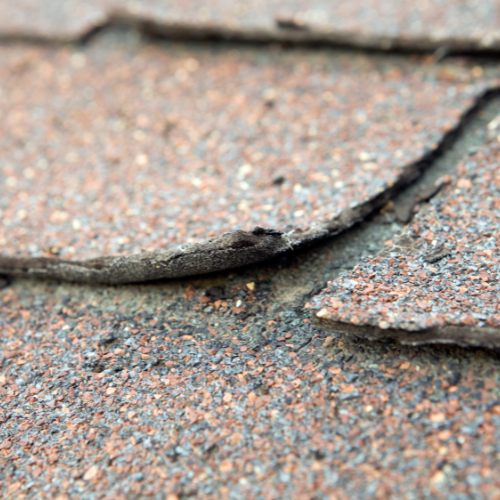
Strong winds can loosen or completely remove shingles. Even if only a few are missing, your roof is left exposed to potential water damage.
What to look for:
- Shingles in your yard
- Uneven or curling shingles
- Crooked shingles
- Bare spots on your roof
Shingles provide protection by overlapping each other. Missing, crooked, and curling shingles can weaken that protection and lead to water seeping below the shingles. Missing shingles should be repaired by a qualified roofer and the roof evaluated to ensure it’s not due for replacement.
2. Granules in Your Gutters
Shingles are coated with protective granules that help extend their lifespan. After a storm, you may notice these granules collecting in your gutters or downspouts.This is often a sign your roof has experienced wear or damage. Lots of granules can be evidence of degrading shingles.
This is often a sign your roof has experienced wear or damage.
3. Dents on Gutters or Metal
Hail damage isn’t always easy to spot on shingles—but it often leaves visible marks on metal surfaces.
What to look for:
- Dents in gutters
- Dings on downspouts
- Marks on vents or flashing
If these areas are damaged by hail, your roof may be as well. It is recommended to have a professional inspection after a severe storm to detect hidden damage.
4. Water Stains on Ceilings or Walls
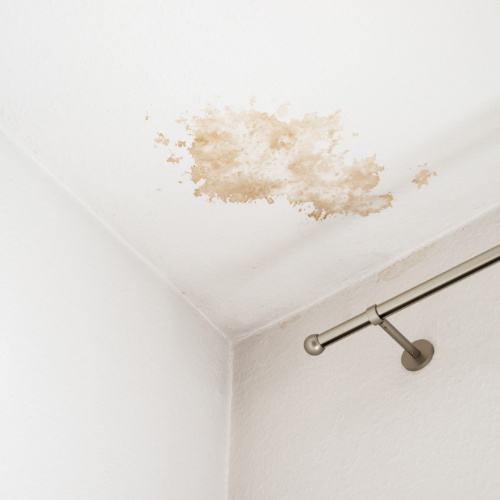
Water stains are one of the clearest signs of roof damage.
Unfortunately, by the time you notice water inside your home, the issue has often already progressed. If you notice water on the walls or ceilings during or after a storm, call a roofer right away! Getting the issue resolved before more rain or weather is imperative to avoid damage and mold.
What to look for:
- Wet areas on walls or ceilings
- Bubbling or lifting paint
- Discolored patches on walls or ceiling
- Mildew or musty smells after rain
5. Nearby Homes Are Getting Repairs
If your neighbors are having roof work done after a storm, it’s a strong indicator your home may have been affected as well. Storm damage rarely impacts just one house. Homes in the same neighborhood may have been built around the same time, indicating a similar roof lifespan.
Community discussion boards can be a great place to discuss roof damage if your area recently had hail, high winds, or other severe weather. You may also find a referral for a good local roofer used by your friends and neighbors.
Don’t Wait Until It Gets Worse
Here in Virginia, small roofing issues can quickly turn into major problems if left untreated.
The good news? A professional inspection can identify damage early—before it leads to costly repairs.
Schedule a Roof Inspection
At MacBeth Roofing & Exteriors, we offer roof inspections to help homeowners identify storm damage and understand their options.
Contact us today to schedule your inspection and protect your home.
Frequently Asked Questions
How do I know if my roof has storm damage?
Common signs include missing or lifted shingles, granules in your gutters, dents on metal surfaces, and water stains inside your home. However, not all damage is visible from the ground, so a professional inspection is the best way to be sure.
Should I get my roof inspected after every storm?
It’s a good idea to schedule an inspection after any major storm involving high winds or hail—especially here in Virginia, where weather can be unpredictable. Catching damage early can prevent more expensive issues later.
Will my homeowner’s insurance cover storm damage?
In many cases, yes. If your roof was damaged by wind, hail, or severe weather, your insurance policy may cover repairs or replacement. A professional inspection can help document damage for your claim.
Can I check my roof for damage myself?
You can look for visible signs from the ground, such as missing shingles or debris. However, climbing on your roof can be dangerous, and some damage isn’t easy to spot without experience. It’s safest to have a professional inspection.
What happens if I ignore minor roof damage?
Small issues can quickly turn into bigger problems, including leaks, mold, and structural damage. Addressing problems early can save time, money, and stress.
How soon should I schedule an inspection after a storm?
As soon as possible. The sooner damage is identified, the easier it is to prevent further issues and begin the repair or insurance process.