How Roof Fascia Protects Your Roof, Gutters, & Foundation

Virginia Fall Roof Inspection & Maintenance Checklist
November 26, 2025
How Long Does a Metal Roof Last?
March 17, 2026
When homeowners think about roofing, shingles usually get all the attention. But one of the most important and often overlooked parts of your roof system is the fascia board. This simple component plays a major role in protecting your roof, gutters, and even your home’s foundation.
Understanding what fascia boards do and why keeping them in good condition matters can help prevent costly repairs down the road.
In This Article
What Are Fascia Boards?
Fascia boards are the long, straight boards that run along the lower edge of your roof, just beneath the roofline. They are typically made from wood, composite materials, or PVC and serve as a finished edge for your roof system.
While fascia boards are visible from the ground, their purpose goes far beyond appearance. They act as a protective barrier between your roof structure and the elements.
Where Are Fascia Boards Located?
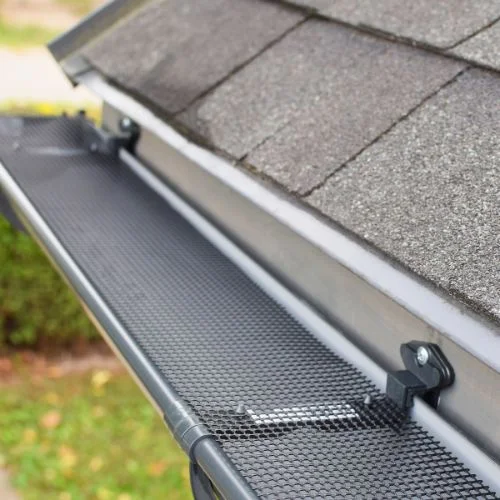
Fascia boards are installed horizontally along the ends of your roof rafters, directly behind your gutters. If you look up at the edge of your roof and see where the gutters are mounted, you are looking at the fascia.
They work alongside the soffit, which is the underside of your roof overhang. Together, fascia and soffits help seal off your roofline from moisture, pests, and weather damage.
How Fascia Boards Support Gutters
One of the fascia board’s most important jobs is holding your gutters securely in place.
Gutters are typically fastened directly to the fascia. When fascia boards are strong and properly installed, they provide a stable anchor point that keeps gutters aligned and functioning correctly.
If fascia boards become damaged or begin to rot, several problems can occur:
- Gutters may pull away from the house
- Water can overflow instead of draining properly
- Gutters may sag, tilt, or fail completely
Without solid fascia support, even a high-quality gutter system cannot do its job.
How Fascia Protects Roof Edges
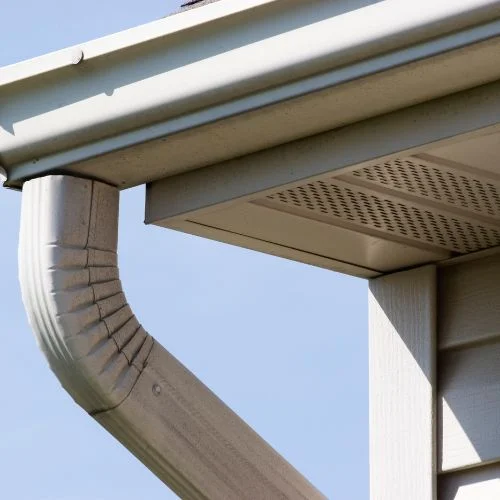
Your roof edges are especially vulnerable to water intrusion. Fascia boards help protect this area by:
- Sealing off exposed roof ends
- Preventing moisture from entering the roof decking
- Protecting rafters from rot and deterioration
When fascia boards are intact, they help guide water into your gutters instead of allowing it to seep behind them, where damage often goes unnoticed.
Why Damaged Fascia Leads to Bigger Problems
Ignoring fascia damage can cause a chain reaction of issues that affect much more than just the roofline.
Water Management Issues
Damaged fascia can allow water to flow behind gutters instead of into them. This can lead to uncontrolled runoff that soaks siding, trim, and foundation walls.
Gutter Stability Problems
Soft or rotting fascia can no longer support the weight of water-filled gutters. In Virginia, where heavy rain and storms are common, this added stress can cause gutters to loosen or detach.
Moisture Intrusion
Once moisture gets behind the fascia, it can spread into the roof structure, attic spaces, and insulation. This increases the risk of mold, rot, and structural damage.
Damage to Soffits and Roof Edges
Fascia damage often spreads to nearby soffits and roof decking. What begins as a small repair can turn into a much larger exterior project if left unaddressed.
Foundation Concerns
When gutters fail due to fascia damage, water may pool around the base of your home. Over time, this excess moisture can contribute to foundation erosion, basement leaks, and landscape damage.
Why Fascia Maintenance Matters for Virginia Homes
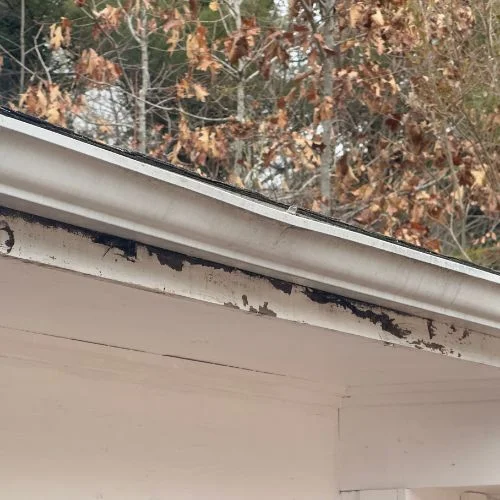
Virginia’s weather places constant stress on roofing components. Heavy rainfall, humidity, and seasonal storms make fascia boards one of the first areas to show signs of trouble.
Regular inspections can help identify:
- Peeling or bubbling paint
- Soft or warped boards
- Visible rot or mold growth
- Sagging or loose gutters
Addressing these issues early helps protect your entire roofing system and extend the life of your home’s exterior.
When to Call a Professional
Because fascia boards work hand in hand with your gutter system, problems often show up together. Loose gutters, water overflowing behind the gutter line, or visible fascia damage are all signs that your exterior water management system may not be working as it should.
A professional inspection allows our team to determine whether the issue is limited to the fascia or if gutter alignment, drainage, or attachment points are contributing to the problem.
MacBeth Roofing & Exterior has been serving Central and Northern Virginia, including Warrenton, Culpeper, Fairfax, and surrounding communities, for more than 30 years. Our team of professionals provides thorough exterior inspections, gutter evaluations, and fascia repairs designed to manage water effectively and protect your roof edges, siding, and foundation from moisture damage.
Addressing fascia and gutter concerns early can help prevent water damage and protect your home’s exterior for years to come. Schedule an inspection. to help keep your home protected year-round.
Frequently Asked Questions
What is the purpose of fascia on a roof?
Fascia boards protect the edge of your roof by covering exposed rafters and helping direct water into the gutter system. They also provide the structural support needed to securely attach gutters and protect roof edges from moisture damage.
How do I know if my fascia boards are damaged?
Common signs of fascia damage include peeling paint, soft or warped boards, visible rot, water stains near the roofline, and gutters that appear loose or sagging. If you notice any of these issues, it is a good idea to have your exterior inspected.
Can damaged fascia affect my gutters?
Yes. Gutters are typically mounted directly to the fascia. If the fascia becomes weak or deteriorated, it can cause gutters to pull away from the home, shift out of alignment, or fail to drain properly. This often leads to water overflow and exterior damage.
Can fascia problems cause foundation issues?
They can. When fascia damage leads to gutter failure, water may no longer be directed away from your home. Over time, this excess water can collect near the foundation, increasing the risk of erosion, basement leaks, and landscape damage.
Is fascia repair always part of gutter work?
Not always, but the two are closely connected. During a gutter inspection or replacement, our team checks the condition of the fascia to ensure it can properly support the system. Addressing fascia issues early helps prevent future gutter problems and improves overall water management.
How often should fascia be inspected?
We recommend having your fascia inspected during routine roof or gutter evaluations, or after major storms. In Virginia’s climate, regular inspections help catch moisture-related issues before they turn into larger repairs.
Who should I call if I suspect fascia or gutter problems?
If you notice signs of fascia damage or gutter issues, our team of professionals at MacBeth Roofing & Exteriors can evaluate your roofline, fascia, and gutters to identify the cause and recommend the right solution.