Virginia Fall Roof Inspection & Maintenance Checklist

Roof Repair vs Roof Replacement in Virginia: Costs, Criteria & How to Decide
August 21, 2025
How Roof Fascia Protects Your Roof, Gutters, & Foundation
February 19, 2026
As we gear up for cooler weather, falling leaves, and winter storms, fall is the ideal season for a thorough roof inspection and maintenance check. Addressing small issues now can save thousands in winter emergency repairs.
In This Article
Why Fall Roof Maintenance Matters
Fall is the ideal time to give your roof a thorough checkup. The summer months in Virginia often bring high humidity, heavy thunderstorms, and wind-driven debris that can quietly damage shingles and flashing. If left unaddressed, these issues may not appear until winter, when repairs are far more complicated and expensive.
- Post-Storm Assessment: Even if your roof looks fine from the ground, summer storms can loosen shingles, dent flashing, or create small leaks in the attic. Catching these problems in the fall prevents them from becoming major repairs after the first snowfall.
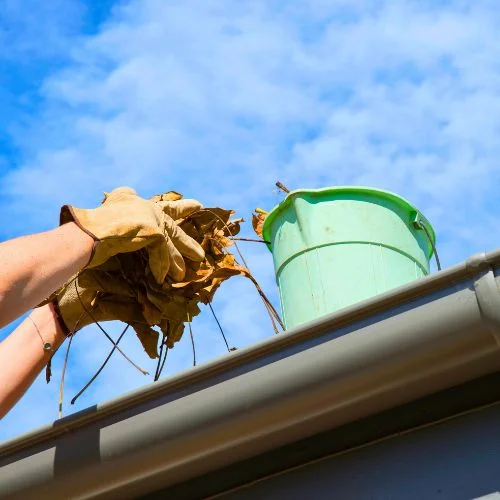
- Leaf & Debris Buildup: Autumn foliage may be beautiful, but falling leaves can quickly clog gutters and trap moisture against your roofline. Over time, this leads to wood rot, ice damming, and even interior water intrusion.
- Winter Preparation: Virginia winters can bring freezing rain, snow, and ice dams that stress roofing systems. Pre-existing weaknesses (like cracked shingles or inadequate insulation) are magnified in cold weather, often leading to emergency mid-winter calls.
By handling inspections and maintenance now, homeowners can extend their roof’s lifespan by 5–10 years and avoid thousands in unexpected repair costs. Fall maintenance is not just about peace of mind; it’s a long-term investment in your home’s protection.
Virginia-Specific Roof Challenges
Virginia’s climate creates a unique set of challenges for homeowners heading into fall. From Culpeper to Charlottesville and Fairfax, the combination of high humidity, dense foliage, and rapid temperature swings can quickly compromise even newer roofing systems if maintenance is delayed.
- Humidity and Moss Growth: Summers in Virginia are notoriously humid, which encourages moss and algae growth on shaded roof sections. This buildup traps moisture and slowly degrades shingles, leading to premature aging.
- Leaf Accumulation and Gutter Clogs: Central and Northern Virginia see heavy autumn foliage. Leaves and twigs collect in gutters, preventing water from draining properly. This often results in water pooling near the roof edge, rotting fascia boards, and creating conditions for ice dams in winter.
- Freeze-Thaw Expansion: Late fall brings warm days followed by cold nights, causing roofing materials to expand and contract. Over time, this stress loosens nails, opens flashing seams, and allows water infiltration during heavy rains or snow.
Addressing these issues before the first frost ensures your roof is ready to handle Virginia’s unpredictable winter weather and reduces the likelihood of emergency repairs when conditions are at their harshest.
Step-by-Step Roof Inspection Checklist
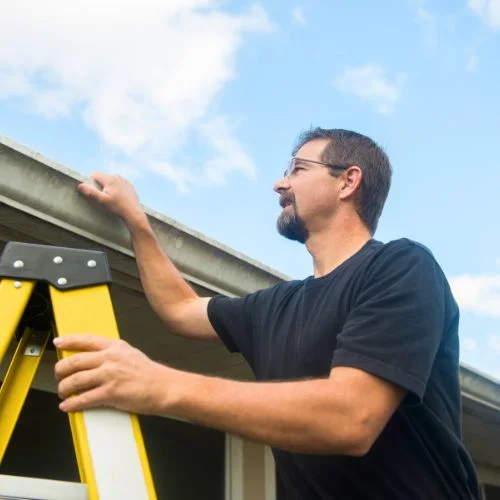
1. Exterior Roof Check
- Missing, cracked, or curled shingles
- Rust or damage on flashing around chimneys/vents
- Sagging areas or uneven rooflines
2. Gutters & Drainage
- Clear leaves/debris to prevent overflow
- Check downspouts for proper water flow
- Look for signs of rust or detachment
3. Interior/Attic Inspection
- Water stains or damp insulation
- Light penetration (holes/gaps) through the decking
- Proper ventilation (reduces moisture buildup)
4. Seals & Penetrations
- Inspect chimney flashing, skylights, and vent pipes for gaps
- Apply sealant or call a pro for resealing
DIY vs Professional Inspections
Many Virginia homeowners have a strong DIY spirit, and for good reason. Doing things yourself can save money, and there’s a certain peace of mind in knowing you’ve personally checked your home’s condition. While a basic visual inspection is worthwhile, it’s important to recognize its limitations and understand when to call in a professional.
What Professional Inspections Provide
- Safe access to all roof areas, including steep slopes and hard-to-reach spots.
- Detailed checks for subtle issues like soft decking, hidden flashing damage, or early signs of rot.
- Moisture mapping and ventilation assessments that go beyond what’s visible.
- Written inspection reports (valuable for insurance claims or resale documentation).
Combining a homeowner’s basic visual check with a professional’s detailed evaluation offers the best protection. A fall inspection by a licensed roofer can catch small problems early, saving thousands in emergency repairs during Virginia’s winter storms. Macbeth Roofing & Exteriors, with more than 30 years of experience serving Culpeper, Fairfax, Charlottesville, and surrounding communities, offers comprehensive roof inspections designed to identify and address these seasonal vulnerabilities before they escalate.
Maintenance Tips for Longer Roof Life
Routine upkeep is one of the simplest ways to protect your investment and avoid premature roof replacement. By addressing small issues before they escalate, Virginia homeowners can extend their roof’s lifespan by years, sometimes even a decade.
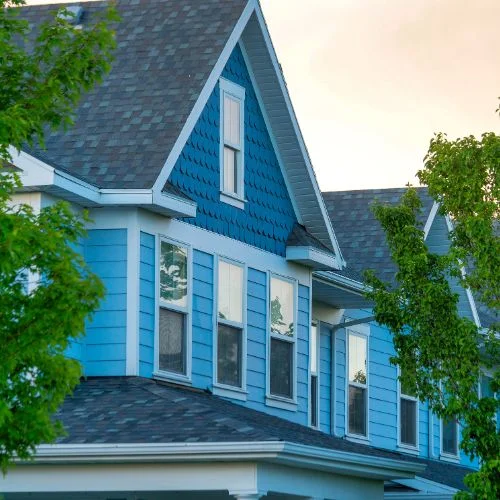
- Trim Overhanging Branches: Branches hanging over your roof can scrape shingles, deposit leaves, and even break during storms, causing direct impact damage. Keeping trees trimmed at least 6–10 feet from your roofline reduces debris and prevents pest access.
- Install Gutter Guards: Gutter guards help keep leaves and twigs out of your drainage system, reducing clogs and ensuring water flows away from your home. This is particularly valuable in leaf-heavy regions like Charlottesville, Madison, and Orange.
- Clean Gutters Regularly: Even with guards, occasional cleaning is essential. Clogged gutters can cause water to back up under shingles and rot fascia boards.
- Check Ventilation and Insulation: Proper attic ventilation prevents heat and moisture buildup, reducing the risk of mold and ice dams in winter.
- Schedule Annual Professional Inspections: A yearly inspection (ideally in fall) ensures your roof is storm-ready for the coming winter. Professionals can spot issues invisible to homeowners, like hidden flashing gaps or soft decking.
Consistently following these maintenance steps saves money over time and reduces the likelihood of emergency calls during Virginia’s unpredictable winter weather.
How We Can Help
Fall is the perfect window to prepare your roof for Virginia’s unpredictable weather. By inspecting for storm damage, clearing debris, and addressing small repairs now, you can prevent costly leaks and structural issues once winter sets in. Simple seasonal maintenance doesn’t just save money, it safeguards your home’s comfort and value for years to come.
For homeowners who prefer professional help, Macbeth Roofing & Exteriors has been serving Central and Northern Virginia, including Culpeper, Fairfax, Charlottesville, and surrounding communities, for more than 30 years. Our team offers thorough inspections, preventative maintenance, and expert repairs tailored to the region’s unique climate challenges. Schedule your fall inspection here to keep your home protected through the seasons.
Frequently Asked Questions
FAQ 1: How often should I inspect my roof in Virginia?
At least twice a year,ideally in spring and fall, plus after major storms.
FAQ 2: Can I do a roof inspection myself?
You can visually inspect from the ground or attic, but detailed inspections (walking the roof, moisture detection) should be left to pros.
FAQ 3: What happens if I skip roof maintenance?
Neglected roofs are prone to leaks, mold growth, and structural rot, often leading to premature (and costly) replacement.
FAQ 4: When is the best time to clean gutters in Virginia?
Late fall, after leaves have fallen, and again in spring to clear storm debris.
FAQ 5: How do I prepare my roof for winter?
Inspect for loose shingles, clear gutters, trim branches, and schedule a professional inspection to prevent ice dam issues.